44°50′N · 7°43′E — since 1976
From the Po
to Monviso. – Carmagnola Natural History Museum
Minerals, plants and animals, with insects, reptiles and birds to the fore. A civic museum born after the floods of 1973–74, inside Cascina Vigna Park, a few kilometres from the Po.
01 — The museum
Seven rooms,
one territory.

03 — The history
Born
from a flood.
What was saved of the old Museo Civico and of the science rooms of two schools, together with the insects carried by the water, became the core of a new museum.
- 1973September 1973 and February 1974: two floods hit Carmagnola.
- 1974What remains of the collections of the Museo Civico and of the science rooms of two schools is recovered.
- 1976The museum opens in Palazzo Lomellini, in the town centre.
- 1990Move to the present home at Cascina Vigna, in the town park, now also a Visitor Centre of the Po River Park.
04 — The park
Cascina Vigna Park
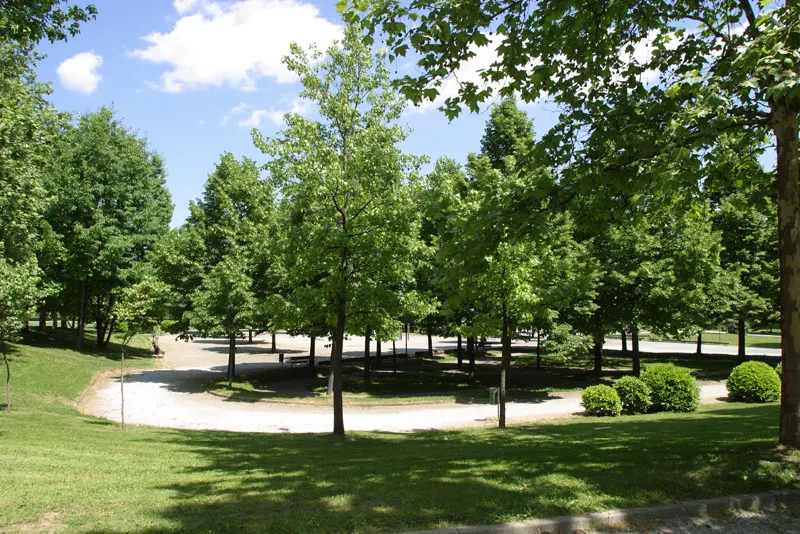
The museum is housed in a farmstead in the town park, on the outskirts of Carmagnola: more than 6 hectares and over 500 plants, with a botanical trail of 23 trees.
The Natural History Museum
The Carmagnola Natural History Museum (Museo Civico di Storia Naturale di Carmagnola; Turin, Italy) was founded after two successive floods hit the town, in September 1973 and February 1974.
After these events, what had been saved of the natural history collections of the earlier “Museo Civico” and of the science rooms of two schools was recovered, and at the same time there was the opportunity to collect biological material in the field, especially insects, stranded or carried by the water.
The Museum was opened in 1976 in Palazzo Lomellini, in the town centre. In 1990 it was moved to its present home at Cascina Vigna, in the town park of the same name, on the outskirts of the town and a few kilometres from the river Po. Since the river area has meanwhile been included in the Piedmont Region's System of Protected Areas, the museum has also become a Park Visitor Centre.
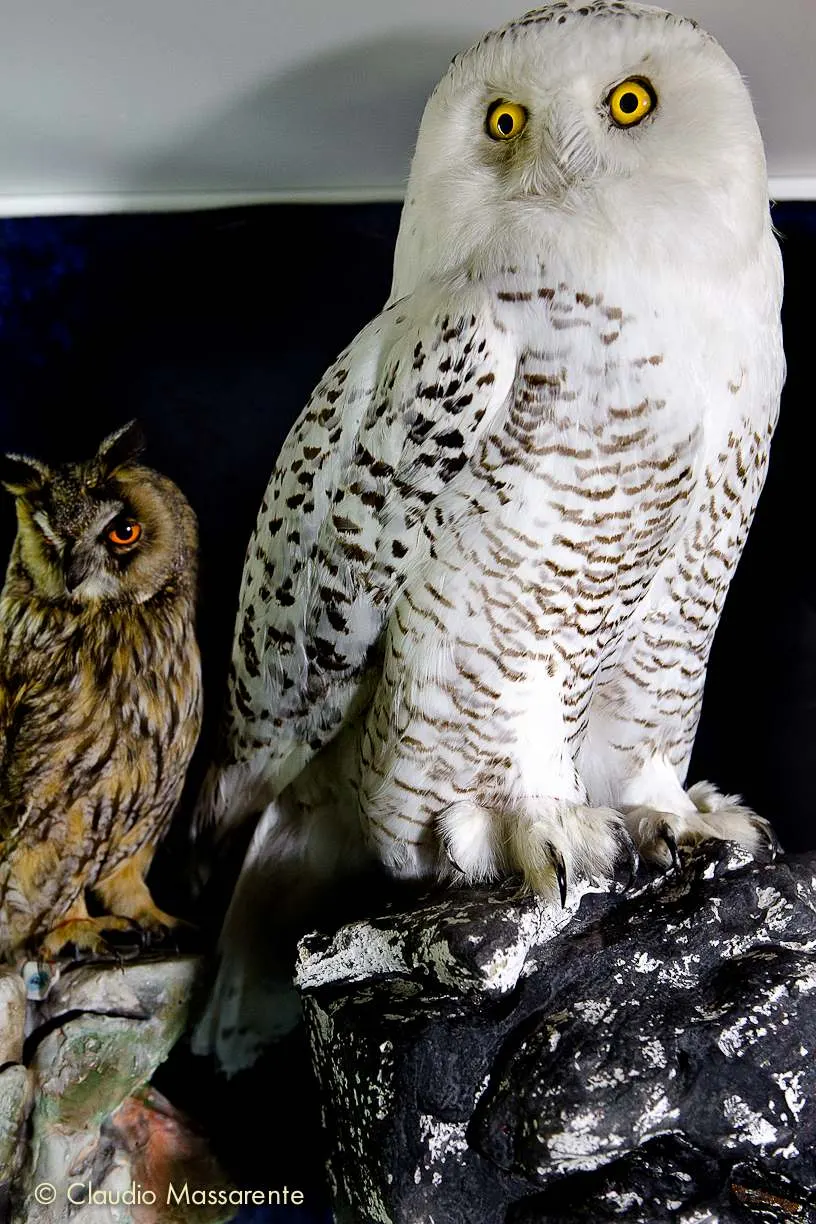
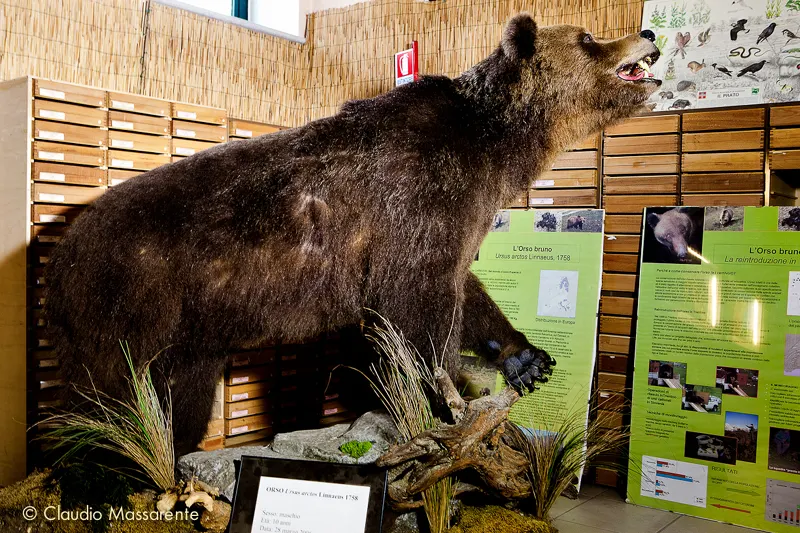
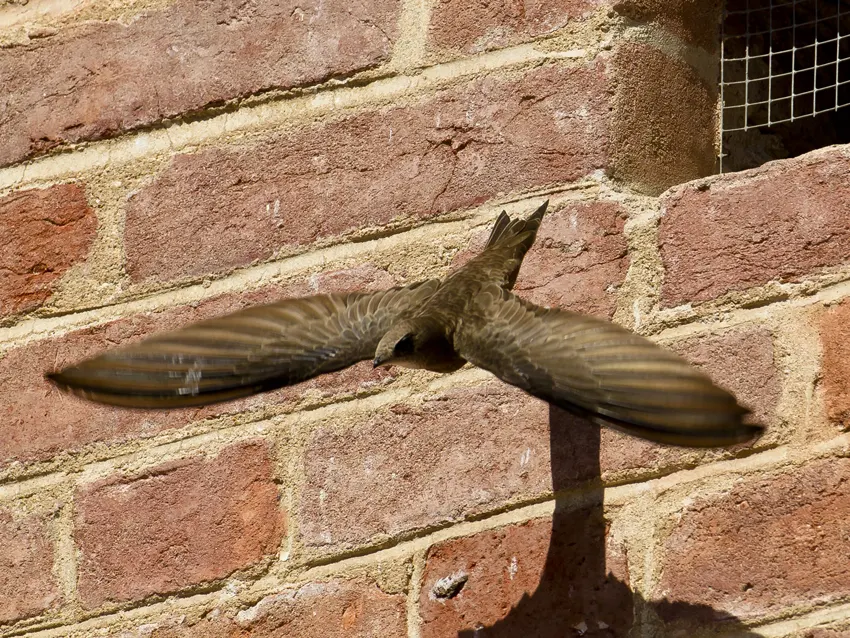
Today the Carmagnola Natural History Museum holds important scientific collections of minerals, plants and animals, with a focus on insects, reptiles and birds. The specimens in the scientific collections are used in research carried out by many Italian and foreign researchers.
The Museum has also set up many agreements for education and research with various bodies and associations, including the Po River Park, the Museo Regionale di Scienze Naturali (Regional Museum of Natural Sciences) in Turin, and the Departments of Earth Sciences and of Animal Biology of the University of Turin.
The Museum is home to the Associazione Naturalistica Piemontese (ANP), the Gruppo Piemontese Studi Ornitologici “F. A. Bonelli” (GPSO), and the Stazione Teriologica Piemontese (STEP).